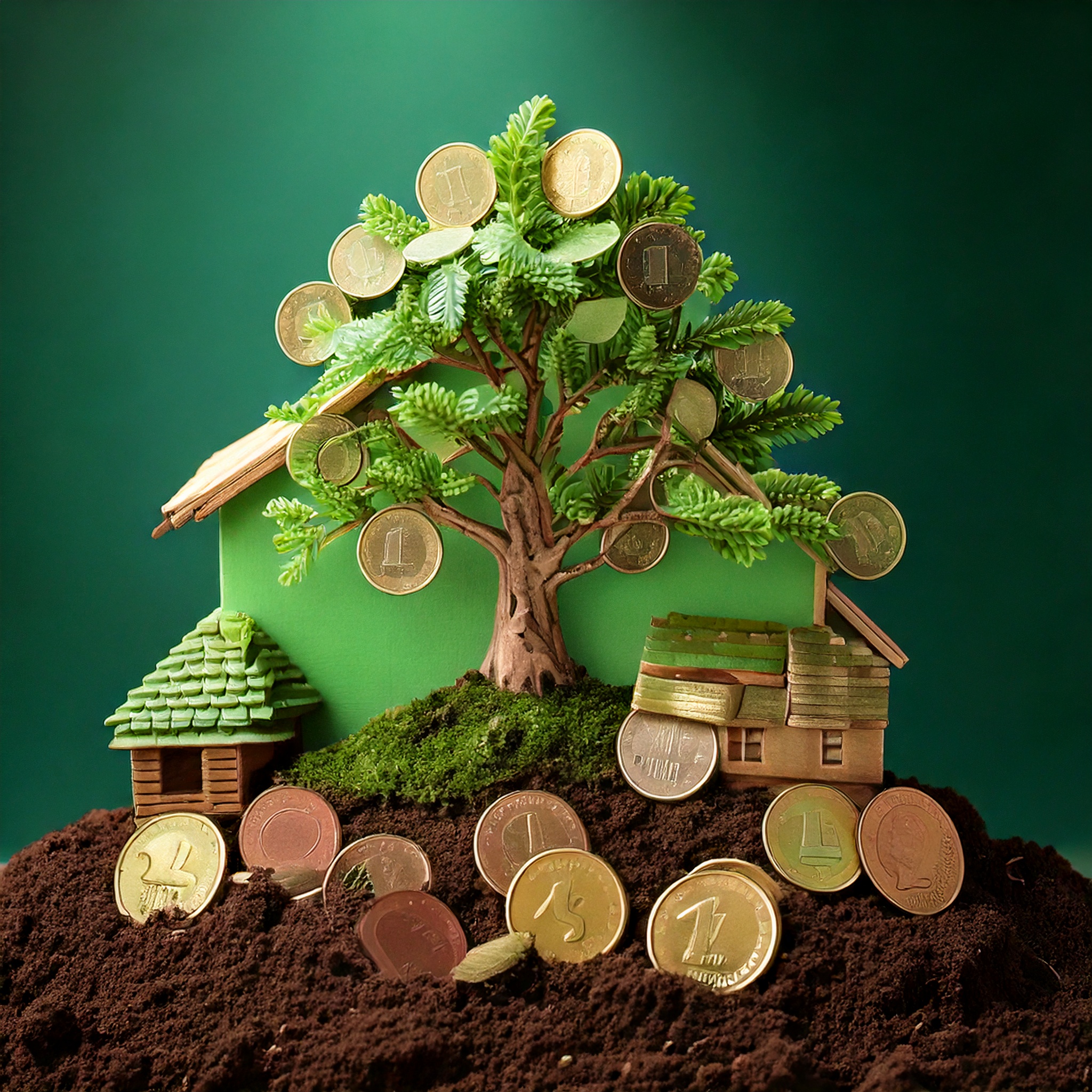
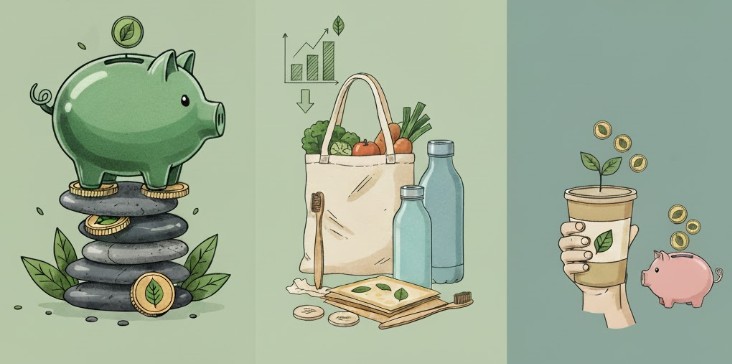
Eco-Friendly Products for a Better Tomorrow

Save the planet while saving money with our sustainable products and subscriptions

Shop Now

Featured Products

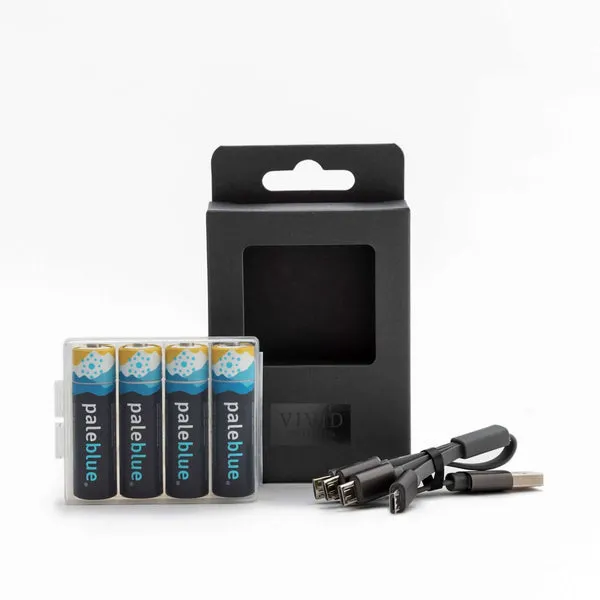
Vivid Ridgeline AA USB Rechargeable Batteries

Vivid Ridgeline AA USB Rechargeable Batteries

Eco-friendly rechargeable AA batteries with USB charging capability. Reduce waste and save money with these sustainable power solutions. #greensavesgreen

Shop Now
Nature Wild Insulated 32oz Water Bottle

Keep Nature Wild Insulated 32oz Water Bottle

Forest green insulated water bottle with handle clip. Perfect for outdoor adventures while reducing single-use plastic waste. #greensavesgreen

Shop Now
Botanical Republic Double Cleansing Duo

Botanical Republic Double Cleansing Duo

Natural, sustainable skincare duo for effective cleansing without harsh chemicals. Eco-friendly packaging and ingredients. #greensavesgreen

Shop Now

Shop All Prodcts

Graydon Skincare All Over Soap

Graydon Skincare All Over Soap

A vegan, multipurpose “all-in-one” body wash from Graydon Skincare designed for use on body, face and hair — features fresh citrus, peppermint and rosemary for an uplifting, energising cleanse without stripping moisture. #greensavesgreen

Shop Now
Bamboo Safety Razor

Bamboo Safety Razor

Reusable bamboo safety razor - sustainable alternative to disposable razors. Reduce plastic waste with this eco-friendly shaving solution. #greensavesgreen

Shop Now
Raven + Lily Upcycled Horn Nesting Bowls

Raven + Lily Upcycled Horn Nesting Bowls

Beautiful upcycled horn nesting bowls made from sustainable materials. Ethical and eco-friendly kitchenware. #greensavesgreen

Shop Now
Sleeping Essential Oil Candle

Before Sleeping Essential Oil Candle

Natural essential oil candle designed for relaxation. Made with sustainable ingredients and eco-friendly packaging. #greensavesgreen

Shop Now
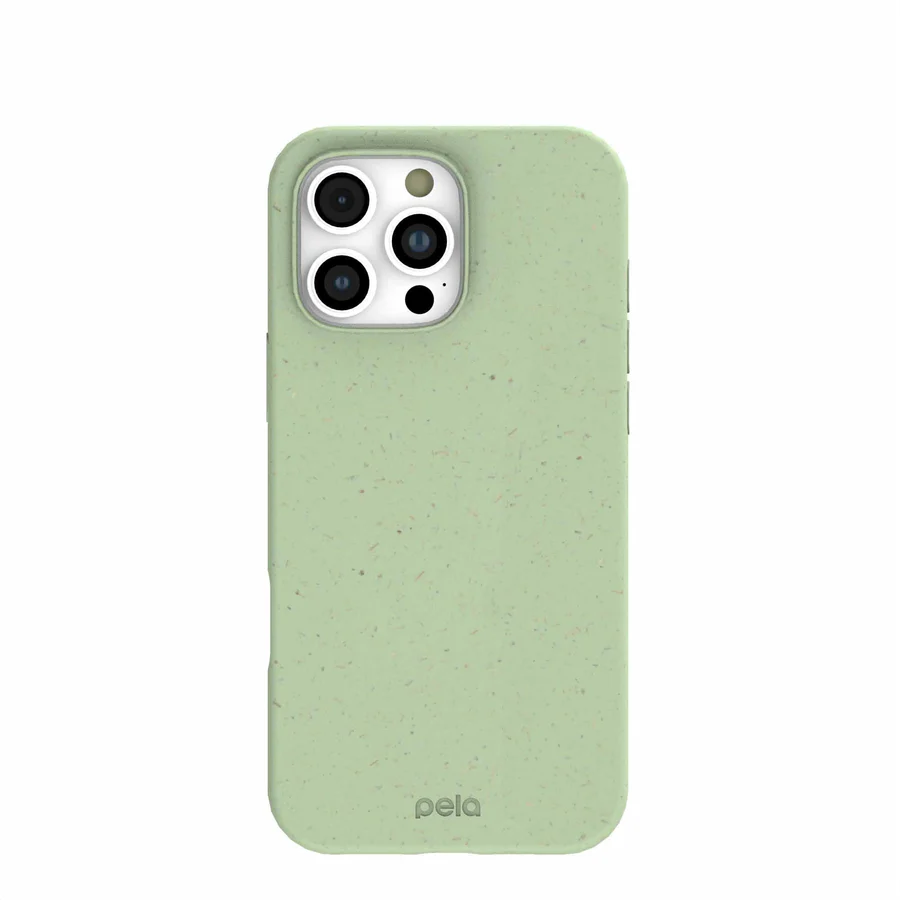
Pela Sage Green iPhone 16 Pro Max Case

Pela Sage Green iPhone 16 Pro Max Case

Compostable phone case made from plant-based materials. Protect your phone and the planet with this sustainable case. #greensavesgreen

Shop Now
Murchison-Hume All Purpose Cleaner

Murchison-Hume All-Purpose Cleaner

Natural, non-toxic all-purpose cleaner in eco-friendly packaging. Safe for your family and the environment. #greensavesgreen

Shop Now
CHOPVALUE End-Grain Board

CHOPVALUE End-Grain Board

A premium, multi-purpose cutting or serving board crafted with vertically oriented end-grain for durability and knife-friendly performance; features rich earthy tones and thick edge detailing, available in three sizes.. #greensavesgreen

Shop Now
Watson & Wolfe Maddox Tote Bag in Black

Watson & Wolfe Maddox Tote Bag in Black

Sustainable vegan leather tote bag made from eco-friendly materials. Stylish and ethical fashion accessory. #greensavesgreen

Shop Now

Subscription Pre-Launch

Join our Subscription Pre-Launch

Receive email alerts and special discounts when we launch our Subscription Service!

Latest from Our Blog

Save Money Going Green

Top 10 Reasons Why Going Green Saves You Money

Posted on April 10, 2025 by Emma Green

Investing in eco-friendly products and sustainable practices doesn't just help the environment—it can significantly reduce your expenses over time. Many people assume that going green requires a large upfront investment, but the long-term savings often outweigh initial costs. Here are the top 10 ways going green can save you money:

1. Lower Energy Bills

Energy-efficient appliances, LED lighting, and proper insulation can reduce your electricity consumption by up to 75%. While energy-efficient products might cost more initially, they typically pay for themselves within 1-2 years through reduced utility bills. A household that switches all bulbs to LEDs saves an average of $225 annually.

2. Reduced Water Costs

Low-flow fixtures, rainwater harvesting, and water conservation practices can cut water bills by 30%. Installing a low-flow showerhead costs around $20 but can save a family of four up to $370 per year on water heating costs alone.

3. Fewer Replacement Purchases

Sustainable products are typically designed for durability and longevity, reducing the need for frequent replacements. Investing in high-quality, reusable alternatives to disposable products (like water bottles, shopping bags, and food containers) eliminates the ongoing expense of single-use items.

4. Tax Incentives and Rebates

Many governments offer tax breaks, credits, and rebates for energy-efficient home improvements and electric vehicle purchases. These incentives can significantly offset the initial investment in green technology and infrastructure.

5. Lower Fuel and Transportation Costs

Walking, cycling, carpooling, using public transportation, or driving an electric or hybrid vehicle reduces fuel expenses and vehicle maintenance costs. The average American spends $2,000-$4,000 on gas annually—costs that can be dramatically reduced with greener transportation alternatives.

6. Reduced Food Expenses

Growing your own food, composting, reducing food waste, and choosing local, seasonal produce can substantially cut grocery bills. Home gardens yield an average return of $25 for every $1 spent on seeds.

7. Health Cost Savings

Eco-friendly practices often lead to healthier lifestyles and environments, potentially reducing healthcare costs. Using non-toxic cleaning and personal care products minimizes exposure to harmful chemicals, while activities like cycling or walking instead of driving increase physical activity.

8. Lower Waste Disposal Fees

Reducing, reusing, and recycling decreases the amount of waste sent to landfills, which can lower trash collection fees in areas with pay-as-you-throw systems. Composting can reduce household waste by up to 30%.

9. Increased Property Value

Energy-efficient upgrades and sustainable features can increase your home's resale value. Properties with green certifications or solar installations typically sell for 3-4% more than comparable conventional homes.

10. Sharing Economy Benefits

Participating in tool libraries, car sharing, and other collaborative consumption models provides access to resources without the full cost of ownership. The average drill is used for just 12-13 minutes in its lifetime—sharing rarely used items makes economic and environmental sense.

The financial benefits of going green aren't just good for your wallet—they're proof that what's good for the planet can also be good for your personal finances. Start with small changes and watch your savings grow along with your positive environmental impact.

Zero Waste Living

The Complete Guide to Zero Waste Living

Posted on April 2, 2025 by Noah Rivers

Zero waste living is more than a trend—it's a practical approach to reducing our environmental impact while simplifying our lives. The concept doesn't demand absolute perfection but instead encourages mindful consumption and waste reduction. This guide explores how to begin your zero waste journey with accessible changes anyone can implement.

Understanding Zero Waste Principles

The zero waste lifestyle follows a hierarchy often remembered as the "5 Rs": Refuse (what you don't need), Reduce (what you do need), Reuse (what you consume), Recycle (what you can't refuse, reduce, or reuse), and Rot (compost the rest). This framework prioritizes preventing waste rather than managing it after creation.

Kitchen Transformations

The kitchen typically generates the most household waste, making it an ideal starting point. Begin by conducting a waste audit to identify your main sources of garbage. Common zero waste kitchen swaps include:

  • Replacing plastic wrap with beeswax wraps or silicone covers
  • Using cloth towels instead of paper towels
  • Shopping with reusable produce bags and containers
  • Buying staples from bulk bins using your own containers
  • Composting food scraps (even apartment dwellers can use countertop systems)

Meal planning reduces food waste significantly—Americans throw away approximately 30-40% of their food supply. Planning meals, properly storing produce, and learning to use all parts of ingredients (like vegetable stems and peels) stretches your grocery budget while reducing waste.

Bathroom and Personal Care

Conventional personal care routines involve numerous disposable products and excessive packaging. Consider these alternatives:

  • Solid shampoo and conditioner bars (eliminating plastic bottles)
  • Safety razors with replaceable blades instead of disposable razors
  • Bamboo toothbrushes and compostable floss
  • Reusable cloth pads, menstrual cups, or period underwear
  • Bar soap instead of liquid body wash

Many of these alternatives not only reduce waste but also eliminate harmful chemicals found in conventional products, benefiting both personal health and waterways.

Minimizing Household Waste

Beyond kitchen and bathroom, consider these broader household strategies:

  • Creating a paperless home office with digital document management
  • Repairing items instead of replacing them
  • Borrowing or renting rarely-used items instead of purchasing
  • Choosing high-quality, durable goods with minimal packaging
  • Shopping secondhand for clothing, furniture, and household goods

The Financial Benefits of Zero Waste

While some zero waste alternatives require upfront investment, they typically save money over time. A family implementing moderate zero waste practices reports average annual savings of $1,500-$2,000 through reduced consumption, lower utility bills, and elimination of disposable products.

Starting Your Zero Waste Journey

Remember that zero waste is a goal, not an overnight transformation. Begin with these steps:

  1. Conduct a waste audit to identify your biggest sources of trash
  2. Use up what you have before purchasing sustainable alternatives
  3. Replace items with reusable alternatives as they run out
  4. Focus on progress rather than perfection
  5. Connect with others pursuing similar goals for support and inspiration

Zero waste living isn't about achieving absolute zero—it's about making intentional choices that reduce environmental impact while often improving quality of life. Every small change contributes to a larger collective impact, proving that individual actions matter in addressing global challenges.

Green Technology

2025's Most Innovative Eco-Friendly Technologies

Posted on March 28, 2025 by Dr. Alex Zhang

The sustainable technology landscape is evolving rapidly, with innovations that promise to reshape how we interact with our environment. As climate concerns intensify, entrepreneurs and researchers are accelerating development of solutions that reduce resource consumption while improving quality of life. Here are the breakthrough technologies defining eco-innovation in 2025.

Next-Generation Solar Integration

Solar technology has transcended traditional rooftop panels with transparent solar windows that generate electricity while maintaining visual clarity. These windows convert ultraviolet and infrared light into energy while allowing visible light to pass through, making them ideal for skyscrapers and homes alike. Efficiency rates have improved to 15%, up from just 5% three years ago.

Equally impressive are flexible solar textiles now being incorporated into everyday items. Backpacks, jackets, and even tents with integrated solar collectors can power personal devices without grid access. The military has already deployed these technologies in field operations, with consumer products rapidly following.

Biodegradable Electronics

Electronic waste represents the fastest-growing waste stream globally, with over 50 million tons generated annually. The emergence of biodegradable electronics offers a promising solution to this crisis. Researchers have developed circuit boards made from natural materials including cellulose, chitin (from shellfish), and mycelium (from fungi) that decompose completely within 3-6 months in industrial composting conditions.

These biodegradable components are already appearing in low-power devices like RFID tags, environmental sensors, and medical wearables. While they can't yet replace all electronic components, they're particularly valuable for temporary use cases and applications where retrieving devices for proper disposal is challenging.

Water Purification Breakthroughs

Access to clean water remains a global challenge, but new purification technologies are showing remarkable promise. Graphene-based filters can remove contaminants including bacteria, viruses, and heavy metals while requiring minimal energy input. These systems operate with gravity alone in many cases, making them suitable for regions without reliable electricity.

Another groundbreaking approach uses hydrogels inspired by prickly pear cacti that can extract clean water from even the most polluted sources. These materials can absorb water contaminants while releasing clean H2O when heated by simple solar collectors. At scale, these systems could provide affordable drinking water for communities worldwide while eliminating the need for single-use plastic bottles.

Carbon-Negative Construction Materials

The construction industry contributes approximately 39% of global carbon emissions, presenting an enormous opportunity for improvement. New carbon-negative materials actually sequester more carbon than they emit during production and use. Cross-laminated timber from sustainable forestry already offers an alternative to carbon-intensive concrete and steel, but newer biocomposite materials go further.

Mycelium-based insulation grown from agricultural waste captures carbon while providing excellent thermal performance. Meanwhile, concrete alternatives incorporating captured CO2 turn a climate liability into permanently sequestered carbon while matching or exceeding traditional concrete's strength. These materials aren't just theoretical—they're being used in commercial construction projects today.

AI-Optimized Energy Systems

Artificial intelligence is revolutionizing how we generate and consume energy. Smart grids using machine learning algorithms can balance supply and demand in real-time, maximizing the use of renewable sources while minimizing waste. These systems can predict consumption patterns, weather impacts on generation, and maintenance needs with remarkable accuracy.

At the consumer level, AI-powered home energy management systems can reduce consumption by 20-30% without sacrificing comfort. These systems learn occupant preferences while optimizing heating, cooling, and appliance usage based on real-time electricity pricing and grid carbon intensity.

The Coming Revolution: Green Hydrogen

Perhaps the most significant ongoing development is the rapidly falling cost of green hydrogen production. Produced using renewable electricity to split water molecules, green hydrogen offers a versatile, zero-emission fuel for applications ranging from industrial processes to transportation and seasonal energy storage.

New catalyst materials have reduced the electricity required for hydrogen production by over 30%, while scaling production is driving costs down further. Analysts predict green hydrogen will reach price parity with fossil fuels in many applications by 2027, potentially triggering the most significant energy transition since the industrial revolution.

These technologies represent more than incremental improvements—they signal a fundamental shift in how we produce and consume resources. As they scale from promising innovations to mainstream solutions, they offer tangible hope for addressing our most pressing environmental challenges while creating new economic opportunities.

Save Money Going Green

Top 10 Green Products That Can Save You Money

Posted on November 2, 2025 by Sarah Peters

In an era where sustainability and cost savings go hand in hand, investing in green products can yield significant financial benefits. Not only do these products help reduce your carbon footprint, but they can also lead to substantial savings on utility bills, maintenance costs, and everyday expenses. Here’s a look at the top ten green products that can save you money while promoting a healthier planet.

1. LED Light Bulbs

Switching from incandescent bulbs to LED light bulbs is one of the simplest and most effective ways to save on energy costs. LED bulbs use up to 80% less energy and can last up to 25 times longer than traditional bulbs. This means lower electricity bills and reduced replacement costs. Although the initial price may be higher, the long-term savings are undeniable.

2. Smart Thermostats

Smart thermostats can help you optimize your heating and cooling systems, leading to substantial energy savings. These devices learn your habits and adjust the temperature accordingly, ensuring you’re not wasting energy when you’re away from home. Many users report saving 10-15% on their heating and cooling bills after installing a smart thermostat.

3. Energy-Efficient Appliances

Upgrading to energy-efficient appliances, such as refrigerators, washers, and dryers, can result in significant savings over time. Look for appliances with the ENERGY STAR label, which indicates they meet strict energy efficiency guidelines. While the upfront investment can be higher, the energy savings often lead to reduced utility bills that quickly make up the difference.

4. Low-Flow Showerheads and Faucets

Installing low-flow showerheads and faucets can drastically reduce your water consumption without sacrificing performance. These fixtures are designed to use less water while maintaining adequate pressure, leading to savings on both your water bill and energy costs associated with heating water. Many households save up to 30% on their water bills after making the switch.

5. Solar Panels

While solar panels require a significant initial investment, they can drastically reduce your electricity bills over time. Depending on your location and energy usage, many homeowners can recoup their costs in 5-10 years through energy savings and tax incentives. Additionally, some regions offer net metering, allowing you to sell excess energy back to the grid.

6. Reusable Food Storage Bags

Switching from disposable plastic bags to reusable food storage bags can lead to substantial savings over time. Not only do these bags reduce waste, but they also eliminate the ongoing cost of buying single-use bags. Look for options made from silicone or BPA-free materials, which are durable, easy to clean, and can be used for various purposes.

7. Compost Bins

Investing in a compost bin can help you reduce waste and save money on garbage disposal fees. By composting food scraps and yard waste, you can create nutrient-rich soil for your garden, reducing the need for store-bought fertilizers. Over time, the savings from reduced waste and enhanced gardening can be significant.

8. Reusable Water Bottles

By using a reusable water bottle, you can save money on bottled water and reduce plastic waste. Not only are these bottles often insulated and designed for durability, but they also encourage you to drink more water, promoting better health. Over a year, the cost savings can add up to hundreds of dollars, especially if you frequently purchase bottled beverages.

9. Electric Kettles

Electric kettles are energy-efficient alternatives to boiling water on the stove. They heat water faster and use less energy than traditional methods. If you regularly enjoy tea or coffee, an electric kettle can save you both time and money on energy costs. Many models also have temperature settings, allowing you to save even more energy by using only the heat you need.

10. Plant-Based Cleaning Products

Switching to plant-based cleaning products can save you money while being kinder to the environment. Many commercial cleaning products contain harsh chemicals that can be harmful to your health and the planet. By making your own cleaning solutions using simple ingredients like vinegar and baking soda, you can save on expensive cleaning supplies and create a safer home environment.

Investing in green products not only benefits the environment but can also lead to significant financial savings over time. From energy-efficient appliances to reusable items, these eco-friendly choices can help you cut costs and promote a more sustainable lifestyle. By making informed purchasing decisions, you can enjoy a greener home while keeping more money in your pocket. Start your journey toward a sustainable lifestyle today, and watch your savings grow!